Introduction
Many parents wonder about the right age for braces. Early orthodontics means checking and treating teeth problems in children before they become serious. According to the American Association of Orthodontists, early care can help prevent bigger issues later. Because of this, knowing when to start is important for your child’s healthy smile.
Signs Your Child May Need Braces
Sometimes, it is easy to spot if your child might need braces. However, some signs are less obvious. Watch for these signs:
If you notice any of these, it may be time to see an orthodontist near you. Early orthodontic treatment can make a big difference.
What Is the Right Age for Braces?
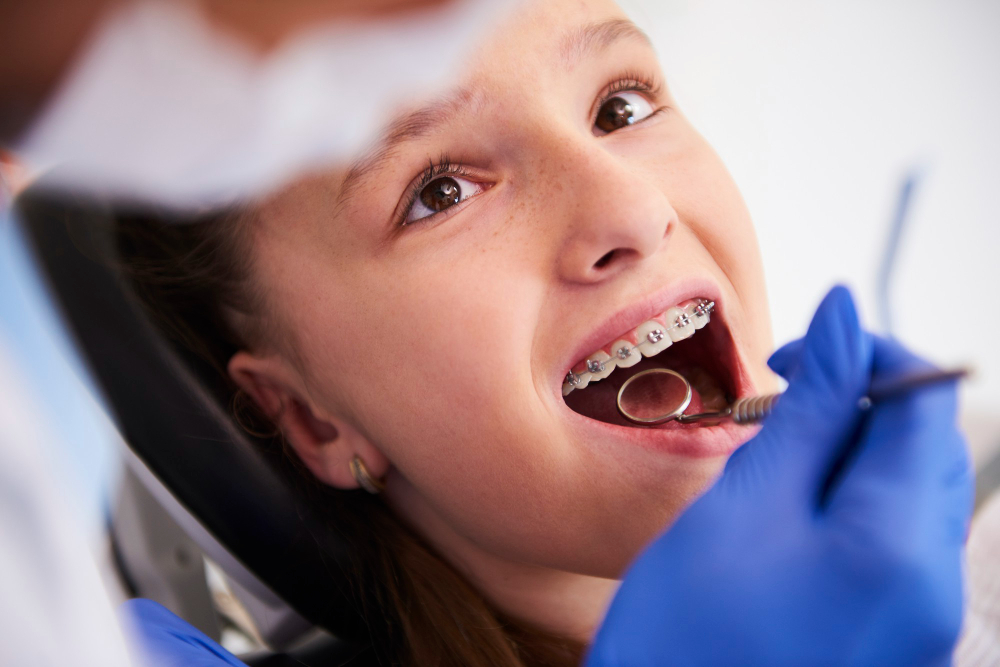
Many parents ask, “When should kids get braces?” The best age for braces depends on each child. However, most orthodontists suggest a first check-up by age 7. At this age, children have a mix of baby and adult teeth. This helps the orthodontist spot problems early. Sometimes, treatment starts right away. Other times, the orthodontist will wait and watch as your child grows. Every child is different, so the right age for braces can vary.
Benefits of Early Orthodontic Evaluation
Early checks offer many benefits. For example, they can:
Because early care can prevent bigger issues, it often means less time in braces later. The American Association of Orthodontists recommends early visits for these reasons.
The Orthodontic Process: What Parents Should Expect
First, the orthodontist will check your child’s teeth and jaws. Next, they may take X-rays or photos. After that, they will talk about the best plan. Sometimes, braces or other devices are needed right away. Other times, the orthodontist will wait and check again later. Throughout the process, regular visits help track progress. Most children wear braces for one to three years. After braces, a retainer keeps teeth in place.
Tips for Parents: Supporting Your Child
Supporting your child during orthodontic treatment is important. Here are some tips:
With your help, your child can have a smooth experience.
Prevention and Oral Care Tips
Good oral care can help prevent the need for braces or make treatment easier. For example, you can:
Because healthy habits start early, your child’s smile will benefit for years.
Conclusion
In summary, the right age for braces depends on your child’s needs. Early orthodontic evaluation can help spot and fix problems before they grow. If you notice signs or have questions, consult at Rv Dental to determine the best time for your child’s braces.