What Are Dental Implants?
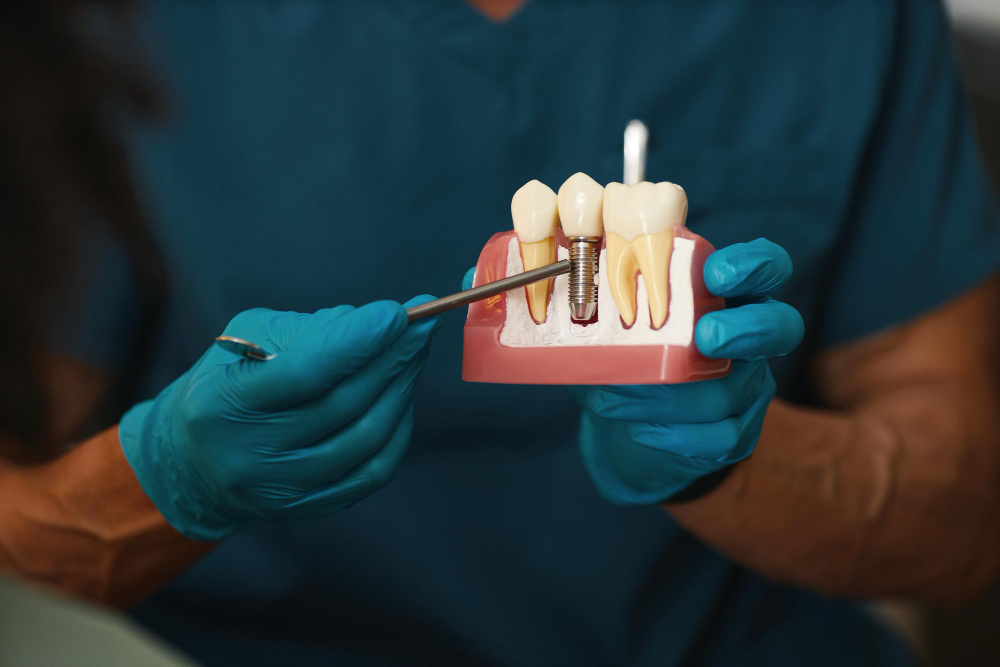
Dental implants are small posts made of metal. Dentists place them in your jawbone to replace missing teeth. Over time, the bone grows around the implant. This creates a strong base for a new tooth or teeth. Many people choose dental implants because they look and feel like natural teeth. According to the American Dental Association, implants are a safe and long-lasting solution for tooth loss. In many cities, dental implant options are available for both single and multiple missing teeth.
Single Tooth Dental Implants: Overview, Benefits, and Who Needs Them
Single tooth dental implants replace just one missing tooth. The dentist places one implant in the gap. Then, a crown is attached to the implant. This option is best for people missing only one tooth or a few teeth in different areas. For example, if you lost a tooth in an accident, a single implant can fill the space.
Usually, single tooth implants are ideal for people with healthy gums and enough bone in their jaw.
Full Mouth Dental Implants: Overview, Benefits, and Ideal Candidates
Full mouth dental implants replace all teeth in the upper, lower, or both jaws. Instead of one implant for each tooth, dentists use a few implants to support a full set of teeth. This method is often called “All-on-4” or “All-on-6.” It is a good choice for people who have lost most or all of their teeth.
Full mouth implants are best for people with many missing or damaged teeth. However, you need healthy gums and enough bone to support the implants.
Key Differences Between Single Tooth and Full Mouth Implants
Although both options use implants, there are important differences. Understanding these can help you make the best dental implant choice.
How to Choose the Right Dental Implant Option
Choosing between single tooth and full mouth dental implants depends on your needs. First, think about how many teeth you are missing. Next, consider your overall health and jawbone strength. In addition, your budget and lifestyle matter. Here are some tips to help you decide:
For example, some people in busy cities prefer faster solutions. Others may want the most natural look and feel.
Cost, Recovery, and Maintenance Considerations
Cost is a key factor for many people. Single tooth implants usually cost less upfront. However, if you need many implants, the total cost adds up. Full mouth implants cost more at once, but may be cheaper per tooth.
Recovery time also varies. Single implants heal in a few months. Full mouth implants may take longer, especially if bone grafting is needed. Either way, following your dentist’s advice helps you heal faster.
Maintenance is important for both options. Brush and floss daily. Visit your dentist for regular check-ups. For full mouth implants, you may need special brushes or rinses. Good care helps your implants last for many years.
Frequently Asked Questions
Conclusion and Next Steps
In summary, both single tooth and full mouth dental implants can restore your smile. Each option has its own benefits and best uses. However, your choice depends on your needs, health, and budget. Whether you need a single-tooth implant or full-mouth restoration, visit RV Dental for a personalized treatment plan.