
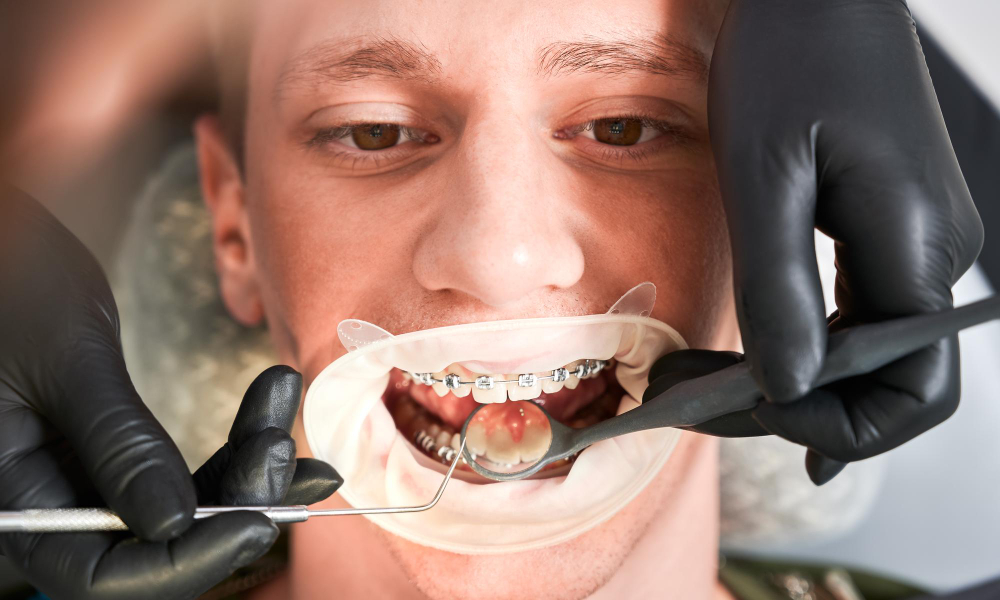
What is a Deep Bite?
A deep bite is a dental problem where your upper front teeth cover too much of your lower front teeth when you bite down. This condition is also called an overbite. Often, people do not notice a deep bite at first. However, it can cause problems if left untreated. Deep bite is one of the most common reasons people need teeth alignment correction. According to dental experts, a healthy bite should show some of your lower front teeth when you close your mouth. But with a deep bite, the upper teeth hide most or all of the lower teeth.
Common Symptoms of Deep Bite
Many people with a deep bite may not feel pain right away. Still, several signs can show you have this issue. For example, you might notice:
Sometimes, deep bite symptoms are mild. Yet, over time, they can get worse and affect your daily life.
Causes and Risk Factors
Several things can cause a deep bite. For instance, genetics play a big role. If your parents had a deep bite, you might have it too. Other causes include:
In addition, some health conditions can increase your risk. For example, certain muscle or bone problems may affect jaw growth and tooth position.
How Deep Bite is Diagnosed
Usually, a dentist or orthodontist can spot a deep bite during a dental checkup. First, they look at how your teeth fit together when you bite. Next, they may take dental X-rays to see the bones and teeth roots. Sometimes, they use special molds to study your bite more closely. Early diagnosis is important. That way, you can start teeth alignment correction before problems get worse.
Treatment Options for Deep Bite
There are several ways to treat a deep bite. The right choice depends on your age, the cause, and how severe the bite is. Common deep bite treatment options include:
For adults, braces or aligners are often the best choice. However, your dentist will explain which treatment fits your needs. According to the American Association of Orthodontists, early treatment can prevent bigger issues later.
Lifestyle Tips and Prevention
While you cannot always prevent a deep bite, some habits can help keep your teeth healthy. For example, you should:
In addition, parents should watch for signs of bite problems in children. Early dental visits can catch issues before they get worse.
When to See a Dentist
If you notice any deep bite symptoms, it is best to see a dentist soon. For instance, if you have jaw pain, worn teeth, or trouble biting, do not wait. Early care can make treatment easier and prevent more damage. Even if you are not sure, a dental checkup can help you understand your bite and what steps to take next.
In summary, deep bite is a common dental issue that can affect your smile and health. With early diagnosis and the right treatment, you can fix your bite and protect your teeth. Consult a dentist at RV Dental for personalized advice on deep bite correction.