
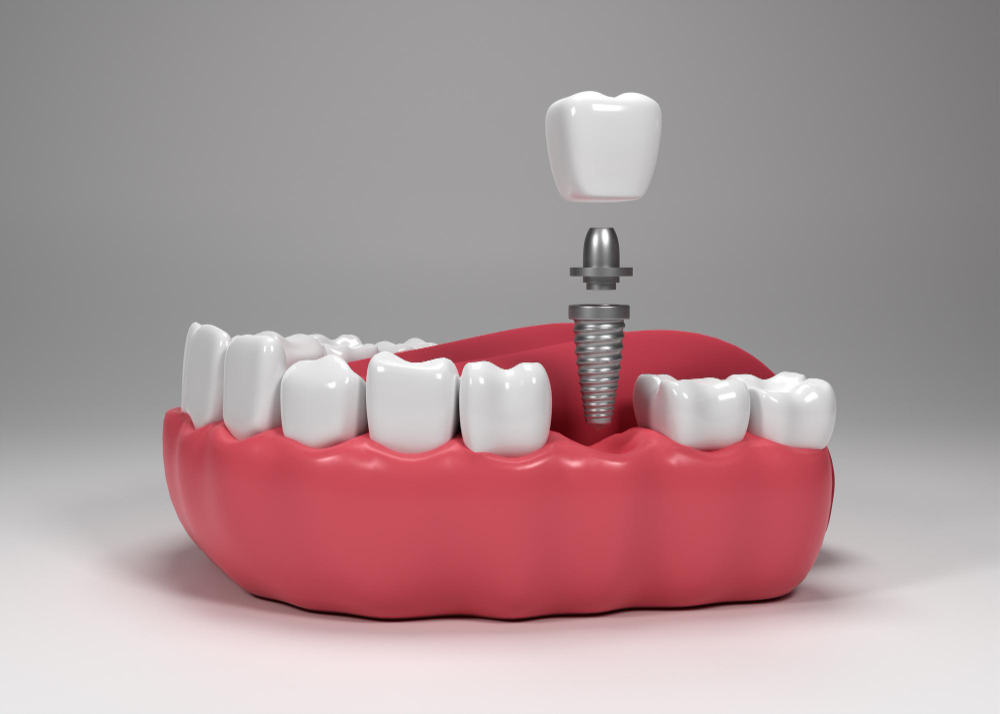
Dental implants are a popular way to replace missing teeth. They look and feel like natural teeth. Because of their strength and long-lasting results, many people choose dental implants. In this blog, you will learn what dental implants are, their benefits, the dental implant procedure, possible risks, and how to care for them. If you are thinking about dental implants, this guide will help you understand your options.
What Are Dental Implants?
Dental implants are small metal posts. Dentists place them into your jawbone to hold a replacement tooth. Usually, these posts are made of titanium. Over time, the bone grows around the implant. This process keeps the implant stable. Unlike dentures, dental implants do not slip or move. As a result, they can help you eat, speak, and smile with confidence.
Benefits of Dental Implants
Dental implants offer many advantages over other tooth replacement options. For example, they are strong and look natural. Here are some key benefits:
Who Is a Candidate for Dental Implants?
Not everyone can get dental implants. However, many adults are good candidates. You may be a candidate if:
Still, only a dentist can decide if dental implants are right for you. Therefore, it is important to get a full dental exam first.
The Dental Implant Procedure: Step-by-Step
The dental implant procedure takes several steps. Each step is important for a safe and lasting result. Here is what you can expect:
Because healing takes time, the full dental implant procedure may last several months. However, most people find the wait worthwhile.
Risks and Potential Complications
Dental implants are safe for most people. Still, as with any surgery, there are risks. According to the American Dental Association and CDC, possible risks include:
Although these problems are rare, it is important to follow your dentist’s advice. Early care can help prevent most issues.
Aftercare and Recovery Tips
Proper dental implant aftercare helps you heal faster and avoid problems. Here are some tips for a smooth dental implant recovery:
Because each person heals differently, always follow your dentist’s specific instructions.
Frequently Asked Questions About Dental Implants
How long do dental implants last?
With good care, dental implants can last 10 years or more. In many cases, they last a lifetime.
Does the dental implant procedure hurt?
Most people feel little pain during the dental implant procedure. Dentists use numbing medicine to keep you comfortable.
How soon can I return to normal activities?
Usually, you can return to work or school the next day. However, you should avoid hard foods and heavy exercise for a few days.
Are dental implants safe?
Yes, dental implants are safe for most people. However, talk to your dentist about your health before starting.
Prevention and Maintenance Tips
To keep your dental implants healthy, follow these simple steps:
Because good care helps your implants last longer, make oral hygiene a daily habit.
In summary, dental implants can restore your smile and improve your quality of life. However, only a dentist can decide if they are right for you. Consult a qualified dentist at Rv Dental to discuss if dental implants are right for you.